


Yacht Fender Hooks Explained: Types, Materials, Sizing, Installation and Maintenance
Fender hooks are a small but important part of a boat's docking setup, helping keep fenders in place and protecting your hull from damage against docks and other vessels. This guide covers the different types of fender hooks available, the materials they are made from, how to size them correctly, and how to install and maintain them.
What Are Fender Hooks and Why They Matter
Fender hooks are fittings used to secure fenders to a boat's railing, cleat or toe rail, holding them at the correct height and position to protect the hull while docking or rafting alongside another vessel. Without a secure fender hook, fenders can shift out of position, slip off entirely, or fail to provide adequate protection when it matters most.
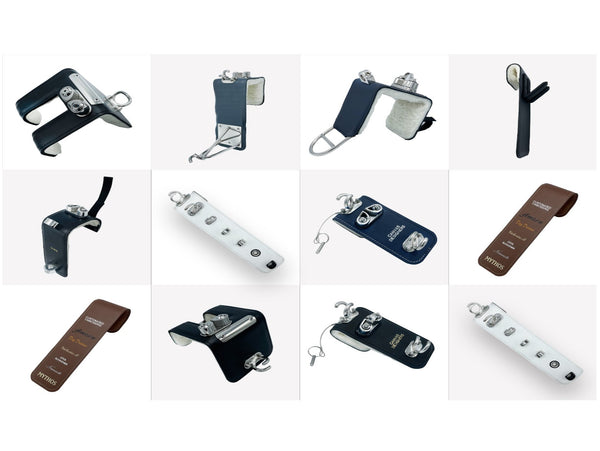
While fenders themselves absorb impact, the hook is what keeps them positioned correctly, making it an essential part of the overall docking setup rather than a minor accessory. Browsing current fender hooks gives a clear sense of the styles and fittings available before choosing one for your boat.
Types of Fender Hooks
There are several common types of fender hooks, each suited to different railing styles and boat setups.
Rail Mount Fender Hooks
These hooks are designed to clip directly onto a boat's railing, making them easy to adjust or reposition as needed. They are a popular choice for boats with standard rail systems, as they allow fenders to be moved quickly depending on docking conditions.
Cleat Mount Fender Hooks
Cleat mount hooks attach to an existing cleat rather than a railing, which can be useful on boats without continuous rail systems. These are often used alongside standard fender lines for added security.
Adjustable Fender Hooks
Adjustable hooks allow for height and angle adjustments, giving more flexibility when docking in different conditions or alongside boats of varying heights. These are particularly useful for boats that frequently dock in different locations.
Materials Used in Fender Hooks
Material choice affects both the durability and appearance of fender hooks, particularly given their constant exposure to sun and saltwater.
Stainless Steel
Stainless steel fender hooks are common due to their strength and corrosion resistance. They tend to hold up well over time, though regular rinsing helps prevent salt buildup and maintain their appearance.
Marine Grade Plastic or Nylon
Plastic or nylon fender hooks are lighter and often more affordable than stainless steel options. While they may not offer the same load capacity, they resist corrosion entirely and are a practical choice for smaller boats or lighter fenders.
Sizing Fender Hooks Correctly
Choosing the correct size fender hook depends on the fender's diameter and the type of railing or cleat it will attach to.
Matching Hook Size to Fender Diameter
A hook that is too small may not hold the fender securely, while an oversized hook can allow the fender to move more than intended. Checking the fender's diameter against the manufacturer's sizing guide helps ensure a secure, stable fit.
Considering Boat Size and Usage
Larger boats or those frequently docking in busy marinas may benefit from heavier duty hooks with a higher weight capacity, while smaller boats used mainly for calm water outings may only need standard sizing. This is worth thinking about alongside other deck fittings, such as a mezzanine setup, so hardware and seating choices work together across the boat.
Installing Fender Hooks
Correct installation ensures fender hooks perform as intended and reduces the risk of them coming loose while docking.
Positioning on the Rail or Cleat
Fender hooks should be positioned to hold fenders at the correct height to protect the hull, typically at the widest point of the boat where contact with a dock or another vessel is most likely. Spacing hooks evenly along the rail helps distribute fenders effectively along the hull.
Securing the Fender Line
Once the hook is in place, the fender line should be secured with enough length to allow the fender to sit at the correct height without excessive slack, which could allow it to shift out of position.
Fender Hook Comparison Table
|
Feature |
Rail Mount Hooks |
Cleat Mount Hooks |
Adjustable Hooks |
|
Attachment point |
Boat railing |
Existing cleat |
Rail or cleat, depending on design |
|
Adjustability |
Limited, fixed position |
Limited |
High, adjustable height and angle |
|
Best suited for |
Boats with continuous rails |
Boats without full rail systems |
Boats docking in varied conditions |
|
Material options |
Stainless steel, nylon |
Stainless steel, nylon |
Stainless steel, reinforced plastic |
|
Installation difficulty |
Simple clip on |
Simple attachment |
Moderate, requires adjustment |
Maintaining Fender Hooks
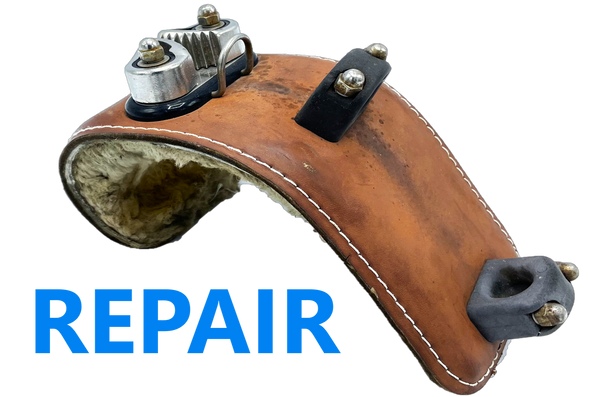
Regular maintenance helps fender hooks continue performing reliably over time. Rinsing hooks with fresh water after use in saltwater helps prevent corrosion, particularly on stainless steel fittings. Checking for signs of wear, such as stiff hinges or corrosion around moving parts, can help identify when a hook needs replacing before it fails during docking.
If you notice a fender hook has become difficult to adjust or shows visible corrosion, replacing it early is generally more practical than waiting for it to fail while docking alongside another vessel.
For boat owners updating multiple docking accessories at once, it can help to look at the wider range of marine gear to see how fender hooks fit alongside other equipment such as covers, seating and hardware. Owners refreshing their cockpit at the same time often review backrest bolsters or embroidery designs for a consistent finish across the boat.
Get the Right Fender Hooks for Your Boat
Choosing the correct fender hooks helps protect your hull and keeps your fenders positioned securely while docking. If you would like help selecting the right type and size for your boat, our team is available to answer your questions. Get in touch to discuss your fender hook needs.
Frequently Asked Questions
How many fender hooks does a boat typically need?
This depends on the boat's size and how many fenders are used, but most boats use at least two to four hooks spaced evenly along the rail to protect the hull effectively.
Are stainless steel fender hooks better than plastic ones?
Stainless steel hooks generally offer higher strength and load capacity, while plastic or nylon hooks are lighter and fully corrosion resistant, making the best choice dependent on boat size and usage.
Can fender hooks be used on boats without a continuous rail?
Yes, cleat mount fender hooks are designed for boats without a full rail system, attaching instead to existing cleats.
How often should fender hooks be checked for wear?
Checking fender hooks every few months, or before extended trips, helps catch corrosion or wear early, particularly for hooks used regularly in saltwater conditions.
Do adjustable fender hooks work on all boat types?
Adjustable hooks are versatile and suit many boat types, though it is worth checking compatibility with your specific railing or cleat setup before purchasing.