




Boarding Grab Rails & Mats: Improving Safety When Boarding Your Boat
Getting on and off a boat sounds simple until you actually try it on a wet deck with the boat rocking against the dock. Slips, missed steps, and awkward falls are among the most common injuries boat owners deal with, and most of them happen in the few seconds it takes to step from the dock or swim platform onto the boat. The good news is that a few well placed pieces of hardware can significantly reduce that risk.
This article looks at two of the most effective additions for safer boarding, a boarding grab rail and a non slip step pad, and explains how they work together to make getting on and off your boat safer for everyone on board.
Why Boarding Safety Matters
Boarding a boat involves stepping onto a surface that is often wet, uneven, or slightly moving, sometimes all three at once. Add in items like coolers, fishing gear, or children climbing aboard, and the margin for error shrinks quickly. Unlike walking on solid ground, there is usually nothing to catch yourself on if your foot slips, which is why falls during boarding tend to happen fast and without much warning.
Boat owners often focus on larger safety concerns like life jackets or navigation lights, which are important, but boarding related injuries are far more common in everyday use. A twisted ankle or a knock against a hard edge can happen on a completely calm day at the dock, not just in rough water.
What Is a Boarding Grab Rail?
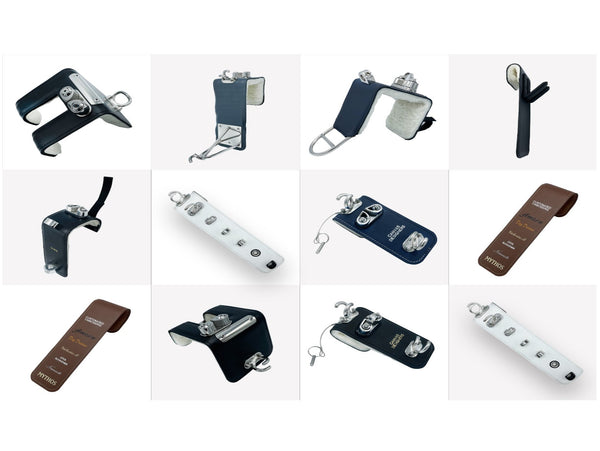
A boarding grab rail is a fixed handhold mounted near the boarding area of a boat, typically along the swim platform, transom, or side entry point. It gives boarders something solid to hold onto while stepping aboard, which is especially useful when the boat shifts slightly with the water or when someone is climbing up from a lower platform.
Grab rails are usually made from marine grade stainless steel to withstand constant saltwater exposure and repeated use. The mounting position matters as much as the rail itself, since it needs to be placed where a hand can naturally reach it during the actual motion of stepping aboard, not just somewhere convenient to install.
A boarding grab rail designed for this purpose is generally built with a length long enough to provide a stable, reachable grip point for people of different heights, which matters on boats used by families or groups with varying mobility levels.
Where Grab Rails Are Typically Installed
- Along the swim platform, near the ladder or boarding step
- At the transom entry point on center console and bowrider boats
- Beside gunwale boarding areas on larger vessels
- Near helm access points where crew frequently move on and off the boat
What Is a Boarding Step Pad?
While a grab rail gives boarders something to hold, a step pad addresses what they are standing on. Boat decks, especially fiberglass and gelcoat surfaces, become slippery quickly once wet, and that risk increases further with sunscreen, algae, or saltwater residue on the surface.
A step pad is a textured, non slip surface applied to high traffic boarding areas such as the swim platform, transom step, or gunwale. Unlike a full deck covering, a step pad focuses specifically on the areas where feet make contact during boarding, which tends to be a smaller but higher risk zone compared to the rest of the deck.
Most step pads use a closed cell foam or EVA material with a textured top layer, which provides grip even when wet while also offering a small amount of cushioning underfoot. This combination of traction and comfort makes a noticeable difference for anyone stepping aboard repeatedly throughout the day.
How Grab Rails and Step Pads Work Together
Neither a grab rail nor a step pad fully solves the boarding safety problem on its own. A secure handhold does not help much if the surface underfoot is still slick, and a non slip surface does not prevent someone from losing their balance if there is nothing to steady themselves against during an unexpected wave or wake.
Used together, these two additions address both sides of the boarding motion, the footing and the balance point, which is why many boat owners install them as a pair rather than choosing one over the other.
| Feature | Boarding Grab Rail | Step Pad |
| Primary Function | Provides a secure handhold for added stability | Provides reliable traction and grip underfoot |
| Typical Material | Marine-grade stainless steel | Closed-cell foam or EVA with a textured, non-slip surface |
| Installed Location | Swim platforms, transoms, and side-entry areas | Deck surfaces at common boarding and stepping points |
| Main Benefit | Helps reduce the risk of falling backward or sideways | Helps reduce slipping on wet or uneven surfaces |
| Works Best When | Used with a stable, non-slip step for secure boarding | Used with a nearby handhold to provide additional balance |
Choosing the Right Hardware for Your Boat
Not every boat has the same boarding layout, so the right combination of grab rail and step pad depends on the specific vessel and how it is used.
Consider the Boarding Points
Start by identifying every location where people regularly step on or off the boat. This often includes the main swim platform, but may also include side gates, transom doors, or a secondary boarding ladder used for water activities.
Think About Who Is Boarding
A boat used primarily by experienced adults may need less hardware than one regularly used by children, older family members, or guests unfamiliar with boarding a moving vessel. Higher traffic and more varied boarding ability generally justify more coverage.
Match Materials to the Environment
Saltwater environments place additional demands on hardware compared to freshwater use. Choosing marine grade stainless steel for rails and UV resistant, saltwater tolerant materials for step pads helps ensure the additions hold up over time rather than degrading after a season or two.
Account for Existing Deck Layout
Custom fitting matters here as much as it does with other marine hardware. A grab rail mounted at the wrong height or a step pad sized incorrectly for the platform can end up being less effective than no addition at all, so measuring the specific area before ordering hardware is worth the extra step.
Installation Considerations
Both grab rails and step pads are generally straightforward to install, though a few details are worth keeping in mind.
Grab rails typically require through bolting into a solid backing surface to ensure they can handle real weight bearing use, not just light contact. A rail that is only lightly fastened may work fine initially but can loosen over time with repeated use, so proper mounting hardware and backing plates matter.
Step pads usually rely on a marine grade adhesive designed to withstand water exposure and temperature changes. Surface preparation before installation, including thorough cleaning and drying, has a direct impact on how well the pad adheres and how long it lasts.
For boat owners unsure about sizing, placement, or installation requirements, reaching out directly is often the fastest way to get accurate guidance rather than guessing based on general product listings.
A Note on Wholesale Orders
Marinas, boat dealers, and rental fleets that need boarding grab rails and step pads across multiple vessels often benefit from ordering through a wholesale account, which is set up specifically for businesses purchasing hardware in larger quantities on a recurring basis.
Final Thoughts
Boarding is one of the most repeated actions on any boat, which is exactly why small safety additions like a grab rail and step pad make such a meaningful difference over time. A secure handhold paired with reliable footing addresses the two biggest factors behind boarding related slips and falls, without requiring major changes to the boat itself.
Anyone with questions about sizing, placement, or ordering these additions for their vessel can contact our team for guidance, or explore the full range of marine hardware available through Canvas Designers.
Frequently Asked Questions
Do I need both a grab rail and a step pad, or is one enough?
Both address different parts of the boarding motion. A grab rail helps with balance while a step pad improves traction underfoot, so using them together generally provides more complete protection than either one alone.
What material holds up best for a grab rail in saltwater?
Marine grade stainless steel is the standard choice for boarding grab rails because it resists corrosion far better than standard steel or lower grade stainless in saltwater environments.
How long does a step pad typically last?
Lifespan depends on usage, sun exposure, and material quality, but a well installed marine grade step pad can generally last several seasons before showing significant wear.
Can these additions be installed on any boat?
Most boats can accommodate a boarding grab rail and step pad, though the exact placement and sizing depend on the boat's specific layout, so measuring the boarding area beforehand is recommended.
Is professional installation required?
Grab rails and step pads can often be installed by boat owners comfortable with basic marine hardware installation, though through bolting a grab rail into a solid backing is important for safety and long term stability.