



Bolsters Explained: Adding Comfort and Support to Your Boat's Seating
Bolsters are a common addition to boat seating, but many owners are unsure exactly what they do or whether they would benefit their own setup. This guide explains what bolsters are, how they improve comfort and support on the water, and what to think about when choosing bolsters for your boat.
What Is a Bolster on a Boat
A bolster is a raised, padded section of seating typically found along the front or side edge of a seat, backrest or leaning post. Unlike flat cushions, bolsters have a rounded or shaped profile designed to provide extra support where the body needs it most, such as the lower back or thighs.
On boats, bolsters are often used on leaning posts, mezzanine seating and helm seats, where stability matters as much as comfort, particularly when the boat is moving through rougher water. Looking through the current bolsters available gives a useful sense of shapes and firmness levels before choosing one for your boat.
Why Bolsters Matter for Comfort and Stability
Bolsters serve a functional purpose beyond simple padding. Their shape helps keep passengers steady and supported, which becomes especially important on longer trips or in choppy conditions.
Added Lower Back Support
A backrest bolster provides support to the lower back, helping reduce fatigue during extended time on the water. This is particularly useful for anglers or boat operators who spend long periods standing or leaning against the seat while underway.
Improved Stability While Standing or Leaning
Leaning post bolsters allow passengers to brace themselves comfortably while the boat is moving, reducing strain on the legs and improving balance. This is one of the main reasons bolsters are common on leaning posts used during fishing or watersports.
Types of Bolsters Used on Boats
Bolsters come in a few different styles, each suited to different parts of a boat's seating layout.
Leaning Post Bolsters
These are placed on the front edge of a leaning post seat, offering support to the back of the thighs while standing. They are typically firmer than backrest bolsters to withstand constant pressure and movement.
Backrest Bolsters
Positioned along the top of a backrest, these bolsters provide additional lower back support for seated passengers. They are often added to mezzanine cushions to improve comfort during transit between fishing spots.
Armrest Bolsters
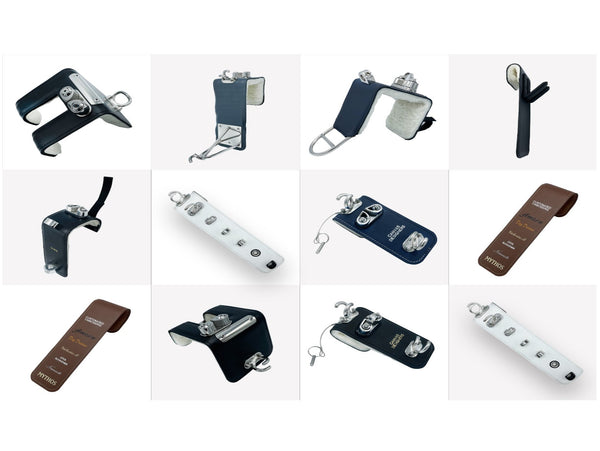
Smaller bolsters can also be used as armrests on helm seats or companion seating, offering a comfortable resting point during longer periods underway, and pair well with well maintained fender fittings elsewhere on deck.
Materials Used in Bolster Construction
Like other marine upholstery, bolsters need to withstand sun, saltwater and constant use, so material choice plays a significant role in their performance and lifespan.
Foam Density and Shape Retention
Marine grade foam used in bolsters is typically firmer than standard cushion foam, as it needs to hold its shape under consistent pressure without flattening over time. Higher density foam generally lasts longer, particularly in high contact areas like leaning post bolsters.
Upholstery and Stitching
The outer fabric of a bolster needs to be durable and UV resistant, similar to other marine upholstery. Reinforced stitching along the seams is particularly important on bolsters, as the curved shape and frequent contact can place additional strain on stitched edges compared to flat cushions.
Customising Bolsters for Your Boat
Bolsters can be tailored to match the rest of a boat's interior, both in terms of shape and finishing details.
Matching Colours and Upholstery
Coordinating bolster upholstery with existing seating helps create a consistent look throughout the boat. This is particularly relevant when bolsters are added to existing seating rather than installed as part of a full upholstery replacement.
Adding Personal Touches
Many owners choose to add stitched detailing or a boat name to bolster upholstery. Exploring options for embroidered detailing can help bolsters match the personalisation used elsewhere on the boat, such as covers or mezzanine cushions.
Bolster Comparison Table
|
Bolster Type |
Typical Location |
Main Purpose |
Foam Firmness |
|
Leaning post bolster |
Front edge of leaning post |
Support while standing |
Firm |
|
Backrest bolster |
Top of seat backrest |
Lower back support |
Medium to firm |
|
Armrest bolster |
Side of helm or companion seat |
Resting support for arms |
Medium |
|
Mezzanine bolster |
Edge of mezzanine seating |
Comfort during transit |
Medium to firm |
Maintaining Bolsters Over Time
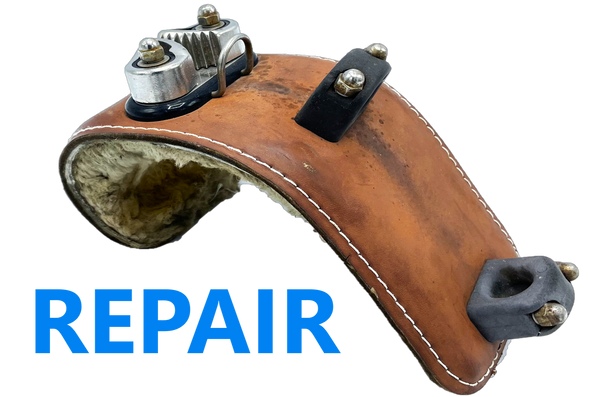
Bolsters experience regular contact and pressure, so routine care helps maintain both comfort and appearance. Rinsing bolsters with fresh water after saltwater exposure reduces salt buildup, which can affect both fabric and foam. Checking stitching along the curved edges periodically can help identify early signs of wear before they develop into larger repairs.
If a bolster begins to feel flat or loses its shape, this is often a sign the foam has compressed and may need replacing rather than simply re covering the existing foam.
For boat owners planning a wider upholstery update, it can help to review the full range of boat accessories to see how bolsters fit alongside other seating options.
Add Comfort and Support to Your Boat
Bolsters are a practical way to improve comfort and support across different areas of your boat's seating. If you are considering adding or replacing bolsters, our team can help you choose the right style, firmness and finish for your boat. Speak to us to discuss your bolster project.
Frequently Asked Questions
Are bolsters necessary on all boat seating?
Bolsters are not essential on every seat, but they are commonly added to leaning posts, mezzanine seating and backrests where extra support improves comfort and stability.
Can bolsters be added to existing boat seating?
In many cases, yes, though this depends on the seat's current structure and upholstery. It is best to have the seating assessed before deciding on bolster additions.
How firm should a leaning post bolster be?
Leaning post bolsters are typically firmer than other bolster types, as they need to support body weight consistently without flattening over time.
Do bolsters need different maintenance than regular cushions?
Bolsters generally require the same care as other marine upholstery, though their curved shape means stitching along the seams should be checked more regularly due to increased contact and movement.
How long do bolsters typically last?
With proper care, marine grade bolsters can last several years, though lifespan depends on foam density, usage frequency and exposure to sun and saltwater.