

Custom Marine Embroidery: Personalizing Your Boat's Upholstery and Gear
Custom embroidery has become a popular way for boat owners to personalise their upholstery, covers and gear. Beyond adding a boat name or logo, embroidery can also tie together the overall look of a boat's interior, from mezzanine seating to bolsters and covers. This guide explains how marine embroidery differs from standard embroidery, what materials work best, and what to consider before adding custom stitching to your boat.
What Makes Marine Embroidery Different
Marine embroidery needs to withstand a different set of conditions compared to embroidery used on clothing or indoor furnishings. Sun exposure, saltwater, humidity and constant movement all place additional demands on both the thread and the fabric it is stitched into.
Marine grade embroidery thread is typically UV resistant and colourfast, meaning it holds its colour and strength even after repeated exposure to sunlight. This is an important distinction, as standard embroidery thread can fade or weaken quickly in a marine environment, leading to a design that looks worn within a season. Browsing current marine embroidery options gives a good sense of the finishes and thread types available before choosing a design.
Common Uses for Custom Marine Embroidery
Embroidery is used across a wide range of boat upholstery and accessories, allowing owners to personalise nearly every part of their boat's interior and gear.
Boat Names and Logos
One of the most common requests is stitching a boat's name onto seating, covers or bags. This is often placed on cushions, backrests or canvas covers, giving the boat a finished, personalised look.
Seating and Cushion Detailing
Embroidery can also be added to seating as a design feature rather than text, such as stitched patterns along seams or borders. This works well on boat bolsters and backrests, where subtle detailing adds visual interest without affecting comfort or durability.
Covers and Storage Bags
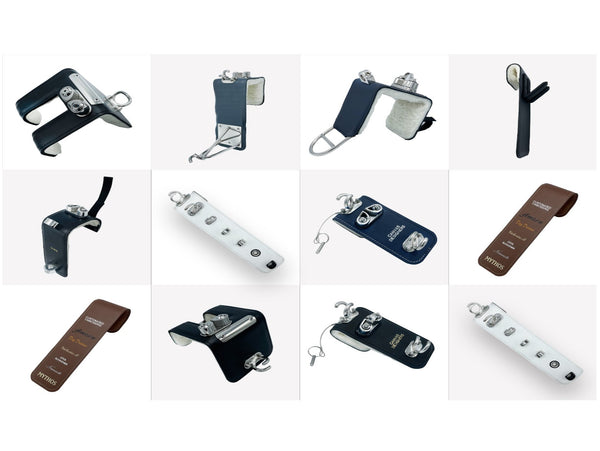
Beyond seating, embroidery is commonly used on boat covers, tackle bags and storage pouches. Adding a name or logo to these items makes them easy to identify and gives a more cohesive appearance across all the boat's gear, including smaller fittings such as hook fittings used for docking.
Materials and Thread Considerations
Choosing the right materials is essential for embroidery that will last in a marine environment.
Thread Type
Polyester thread is generally preferred for marine embroidery over cotton, as it resists fading, mildew and moisture damage more effectively. While it may cost slightly more upfront, polyester thread tends to outlast the fabric it is stitched into.
Backing Fabric
The fabric being embroidered also matters. Marine grade vinyl and canvas are common choices, as they hold stitching well and resist the same environmental factors as the thread itself. Lightweight or non marine fabrics may not hold embroidery securely over time, particularly with repeated flexing or folding.
Design Considerations for Marine Embroidery
Before finalising a design, it helps to think about placement, size and how the embroidery will interact with the rest of the boat's upholstery.
Placement and Visibility
Embroidery placed on high wear areas, such as the edge of a seat cushion, may experience more friction over time than embroidery placed on a flatter, less used surface. Discussing placement with your upholsterer can help balance visibility with long term durability.
Matching Existing Upholstery
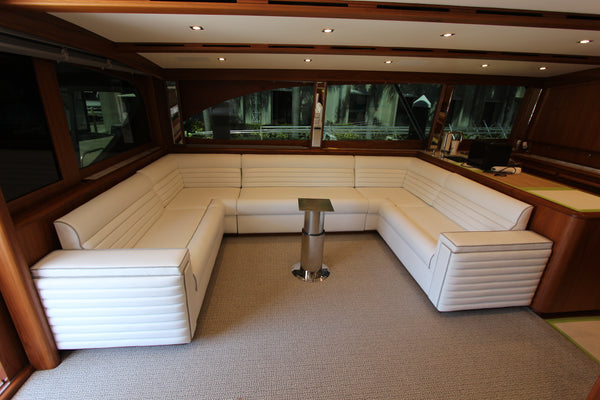
If you are adding embroidery to existing seating, such as mezzanine seats, it is worth considering how the thread colour and design will sit against the current upholstery colour and stitching style, so the finished result feels intentional rather than mismatched.
Marine Embroidery Comparison Table
|
Factor |
Standard Embroidery |
Marine Grade Embroidery |
|
Thread type |
Cotton or polyester blend |
UV resistant polyester |
|
Fade resistance |
Fades with regular sun exposure |
Holds colour over extended sun exposure |
|
Moisture resistance |
Prone to mildew in damp conditions |
Resistant to moisture and mildew |
|
Suitable fabrics |
General upholstery fabric |
Marine grade vinyl and canvas |
|
Typical lifespan outdoors |
Short to moderate |
Long term, built for marine use |
|
Common uses |
Indoor furnishings, clothing |
Boat covers, seating, bags and gear |
Caring for Embroidered Marine Items
Embroidered upholstery and covers benefit from the same care as the surrounding fabric. Rinsing with fresh water after saltwater exposure helps prevent salt crystals from settling into the stitching, which can weaken thread over time. Avoiding harsh chemical cleaners on embroidered areas also helps preserve both the thread colour and the surrounding fabric.
If embroidery is applied to items that fold or flex regularly, such as covers or bags, checking stitching periodically for loose threads can help catch minor issues before they become larger repairs.
For owners considering a broader upgrade to their boat's interior, it can help to look at the full range of marine upholstery available, so embroidery choices can be planned alongside seating, covers and other accessories.
Personalise Your Boat with Custom Embroidery
Custom marine embroidery is a straightforward way to personalise your boat's upholstery and gear while adding a durable, finished look. If you are considering embroidery for seating, covers or bags, our team can help you choose the right thread, placement and design for your boat. Reach our team to discuss your embroidery project.
Frequently Asked Questions
Does marine embroidery cost more than standard embroidery?
Marine grade thread and fabric typically cost more than standard materials, but the added durability usually makes it a worthwhile investment for items exposed to sun and saltwater.
Can embroidery be added to existing boat cushions?
In many cases, yes, though this depends on the fabric type and condition of the existing upholstery. Older or worn fabric may not hold stitching as securely as newer marine grade material.
How long does marine embroidery typically last?
With proper care, marine grade embroidery can last several years without significant fading, though lifespan depends on sun exposure and how often the item is used.
What is the best placement for a boat name embroidery?
Boat names are often placed on backrests, cushion fronts or covers where they remain visible but are not subject to constant friction or folding.
Is embroidery suitable for fender hooks or hardware covers?
Embroidery is generally used on fabric and upholstery rather than hardware, so items such as fender hooks are not typically embroidered, though covers or bags used alongside them can be.