

Custom Marine Metal Fabrication: Anchor Fairleads, Fittings & More Explained
Boats take a beating. Between constant exposure to saltwater, sun, vibration, and mechanical stress, the metal components on a vessel wear down faster than most people expect. Off the shelf parts do not always fit properly, and when they do not, it can lead to premature wear, corrosion, or even failure of critical hardware. This is where custom marine metal fabrication comes in.
This article explains what marine metal fabrication involves, why custom parts often outperform generic ones, and what to consider when having components like anchor fairleads and other fittings made for your boat, the kind of work covered across the Canvas Designers product range.
What Is Marine Metal Fabrication?
Marine metal fabrication is the process of designing, cutting, shaping, and finishing metal components specifically for use on boats and other watercraft. Unlike general metalworking, marine fabrication has to account for constant exposure to moisture, salt, and temperature changes, all of which accelerate corrosion if the wrong materials or processes are used.
Fabricators working in this space typically use marine grade stainless steel, aluminum, or other corrosion resistant alloys. The choice of material depends on the part's function, its exposure to water, and the loads it needs to withstand. A part that looks correct but is made from the wrong grade of metal can fail well before its expected lifespan, which is why understanding the fabrication process matters even for boat owners who are not doing the work themselves.
Why Custom Fabrication Matters for Boats
Every vessel is a little different. Even boats of the same make and model can have variations due to modifications, aftermarket equipment, or simply years of wear that change how existing hardware fits. Custom fabrication solves problems that off the shelf parts cannot.
Fit and Function
A part that is slightly too large or too small can create stress points that lead to cracking, loosening, or accelerated wear. Custom fabricated components are measured and built to match the exact specifications of the boat, which reduces the chances of these issues developing over time.
Material Selection
Not all metal is created equal when it comes to marine use. Custom fabrication allows the material to be selected based on the specific demands of the part, whether that means prioritizing corrosion resistance, load bearing strength, or weight considerations.
Long Term Durability
Because custom parts are built with the specific vessel and its use case in mind, they tend to hold up better over time compared to generic hardware that was designed for broad compatibility rather than a precise fit.
Common Marine Metal Components
Marine metal fabrication covers a wide range of parts, many of which play a critical role in the safe operation of a boat. Some of the more commonly fabricated components include the following.
Anchor Fairleads
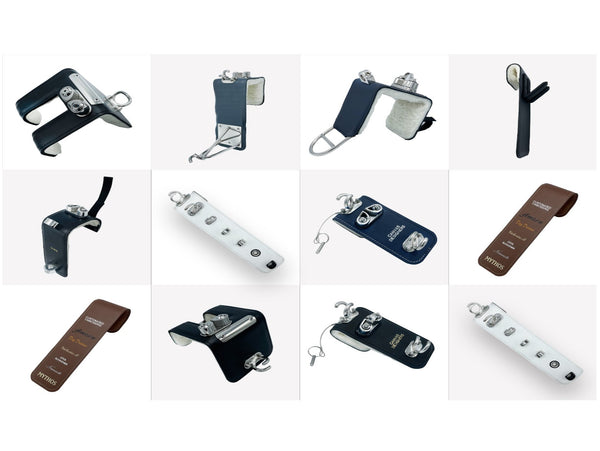
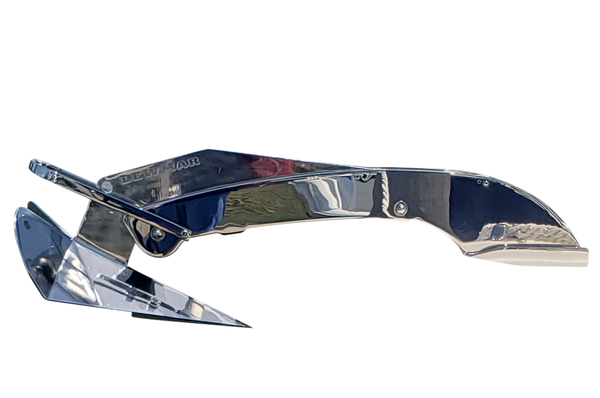
An anchor fairlead guides the anchor chain or rope as it moves in and out, helping prevent the line from chafing against the hull or bow. Because this component experiences constant friction and load, it needs to be shaped precisely to match the anchor and the bow roller assembly, similar to the fairleads and related hardware found in the metal fabrication collection. A poorly fitted fairlead can wear down quickly and may not properly protect the line, leading to premature rope or chain damage.
Cleats and Chocks
These fittings are used to secure lines during docking, mooring, or towing. Custom sizing ensures they are positioned correctly and rated for the loads they will experience, particularly on larger vessels or those used in rougher conditions.
Brackets and Mounts
From rod holders to electronics mounts, custom brackets allow equipment to be installed in exactly the right location without relying on generic mounting solutions that may not fit the boat's specific layout.
Hinges and Latches
Hatches, compartments, and doors on a boat require hardware that can withstand constant movement and saltwater exposure without seizing up or corroding prematurely.
Rails and Guards
Custom rails provide safety and structural support along the deck or other areas of the boat, and they need to be fabricated to match the exact contours of the vessel for a secure and reliable fit.
Materials Commonly Used in Marine Fabrication
| Material | Common Uses | Key Benefit |
| 316 Stainless Steel | Fairleads, cleats, rails, and other exposed hardware | Excellent corrosion resistance in saltwater environments |
| 304 Stainless Steel | Brackets and hardware in areas with lower exposure | Reliable general-purpose corrosion resistance |
| Marine Grade Aluminum | Frames, supports, and lightweight fittings | Lightweight construction with good corrosion resistance |
| Bronze | Fittings and components requiring durability | Excellent resistance to galling and wear |
| Powder Coated Steel | Non-critical structural components and supports | Protective coating helps reduce moisture exposure and corrosion |
Choosing the right material is not just about appearance. It directly affects how long a part will last and how much maintenance it will require over its lifespan. A knowledgeable fabricator will guide material selection based on where the part is located on the boat and how much direct saltwater exposure it will face.
The Custom Fabrication Process
Understanding the general steps involved in custom marine metal fabrication can help boat owners know what to expect when ordering a part.
- Initial Consultation The process typically starts with a conversation about the specific part needed, its function, and any existing hardware it needs to match or replace.
- Measurement and Design Accurate measurements are taken, often directly from the boat or from an existing part that needs replacing, to ensure a precise fit.
- Material Selection Based on the part's function and exposure to the elements, an appropriate metal grade is chosen.
- Cutting and Shaping The metal is cut, bent, and shaped according to the design specifications using appropriate fabrication equipment.
- Finishing Edges are smoothed, welds are cleaned up, and the part may be polished or coated depending on its intended use.
- Quality Check and Fitting Before delivery, the part is checked against the original specifications to confirm it will fit and function as intended.
Signs You Might Need a Custom Fabricated Part
Not every hardware issue requires a custom solution, but there are certain signs that point toward the need for one.
- Existing hardware does not sit flush or fit securely
- Standard replacement parts are no longer manufactured for an older boat model
- Corrosion or wear has changed the shape of the mounting area
- Equipment upgrades require a differently sized or shaped bracket
- Repeated failures with generic parts in the same location
If any of these situations sound familiar, it may be worth reaching out to discuss options rather than continuing to replace parts that do not fit properly, particularly for marinas or repair shops ordering hardware through a wholesale account on a recurring basis.
Maintenance Tips for Marine Metal Fittings
Even well fabricated parts require regular care to maximize their lifespan in a marine environment.
Rinse metal fittings with fresh water after exposure to saltwater whenever possible, since salt buildup accelerates corrosion over time. Periodically inspect fittings for early signs of pitting, discoloration, or loosening, and address small issues before they become larger problems. Applying a marine grade protectant to stainless steel components can also help maintain their appearance and resistance to the elements, and a more detailed care and maintenance guide covers these steps in greater depth for different materials and finishes.
Working With a Fabrication Provider
When selecting a provider for custom marine metal work, it helps to look for a team that understands the specific demands of marine environments rather than a general metal shop unfamiliar with saltwater applications. Browsing a provider's past projects, such as those listed on the Canvas Designers, can give a clearer picture of their experience with boat specific components.
Final Thoughts
Custom marine metal fabrication plays an important role in keeping boats functional, safe, and protected against the harsh conditions of marine environments. Whether the need is a properly fitted anchor fairlead, a durable cleat, or a custom bracket for new equipment, understanding the process helps boat owners make more informed decisions about their hardware, and questions about a specific part are best directed to the.
Frequently Asked Questions
What is the difference between custom and standard marine hardware?
Standard hardware is manufactured to fit a general range of boats, while custom hardware is measured and built to match the exact specifications of a specific vessel, resulting in a more precise and durable fit.
How long does custom marine metal fabrication typically take?
Timelines vary depending on the complexity of the part and current workload, but most custom fabrication projects take anywhere from a few days to a couple of weeks from initial measurement to completion.
Why does material choice matter so much for marine parts?
Saltwater accelerates corrosion, and using the wrong grade of metal can lead to premature failure. Selecting the appropriate material based on exposure level and load requirements helps ensure the part lasts as long as possible.
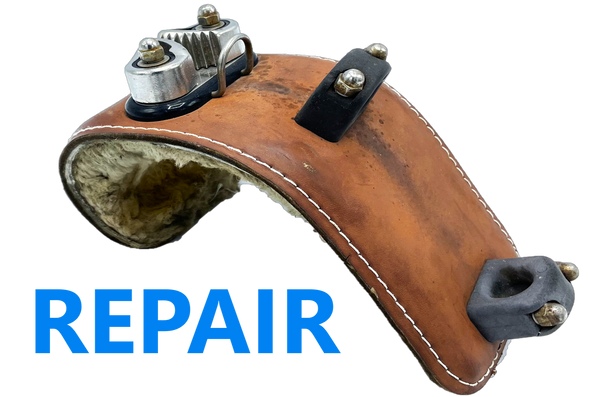
Can old or damaged parts be used as a reference for custom fabrication?
Yes, an existing part, even if damaged or worn, can often be used as a reference to accurately recreate the correct shape and dimensions for a replacement.
Is custom fabrication only for large boats?
No, custom marine metal fabrication is used across a wide range of vessel sizes, from small recreational boats to larger commercial vessels, wherever a precise fit or specific material is needed.