


Full Service Marine Canvas and Upholstery: What Boat Owners Need to Know
Whether you own a weekend fishing boat or a larger cruiser, the canvas and upholstery on your vessel take a beating. Sun, saltwater, wind, and rain work constantly against fabric, foam, and stitching. Understanding what full service marine canvas and upholstery actually involves helps you make better decisions about protecting your investment and maintaining comfort on the water.
This guide covers everything from the types of services available to material selection, care routines, and what to look for when choosing a marine canvas and upholstery provider in your area.
What Does Full Service Marine Canvas and Upholstery Include?
Full service marine canvas and upholstery is not a single repair job. It covers a broad range of fabrication, installation, and restoration work across two main categories: canvas work and upholstery work.
Canvas services typically include:
- Bimini tops and frames
- Boat covers and storage covers
- Cockpit enclosures and side curtains
- Dodgers and spray hoods
- T top curtains and enclosures
- Mooring covers
Upholstery services typically include:
- Helm seat cushions and backrests
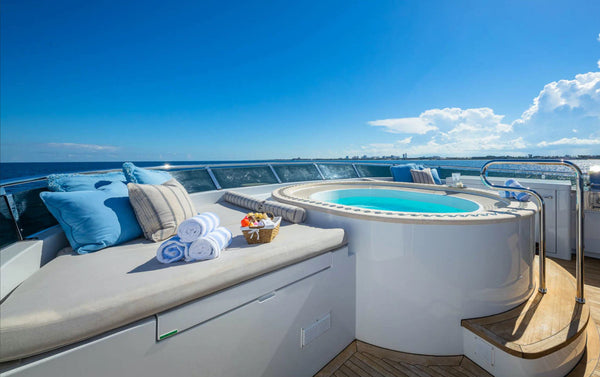
- Bow seating and loungers
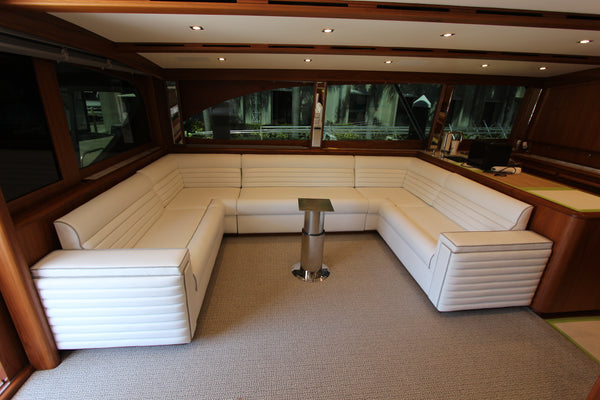
- Cockpit benches and settees
- Helm station padding
- Cabin cushions and berth upholstery
- Snap in carpet and flooring covers
A true full service provider handles both sides of this work, meaning you can bring your boat in for a new bimini top and have worn seat cushions replaced in the same visit. This saves time and ensures consistent material choices across the boat.
Marine Canvas: Materials and Construction
Not all marine canvas is created equal. The fabric used on a boat must resist UV rays, hold up against salt air and moisture, resist mildew, and stay strong through wind and movement. Inferior materials break down quickly, fade, fray, or develop mold, creating both an eyesore and a structural problem.
The most commonly used materials in professional marine canvas work include:
- Sunbrella: It is the industry standard for most outdoor marine fabric applications. It is solution dyed acrylic, which means the color runs all the way through the fiber rather than sitting on the surface. This gives it excellent fade resistance. Sunbrella is also water resistant, breathable, and mildew resistant when properly maintained.
- Stamoid and similar coated fabrics: They are used where a watertight, stiff panel is needed, such as in enclosure windows or dodger construction. These materials are typically a PVC coated polyester that blocks water completely and holds its shape well.
- Phifertex and mesh materials: It work well for applications that benefit from airflow, such as storage pockets or lightweight covers in hot climates.
Construction quality matters as much as material selection. Look for double stitched seams using UV resistant thread, properly installed snaps and zippers, and reinforced stress points at corners and attachment areas. Poor stitching is usually the first thing to fail on a canvas piece, even when the fabric itself is still in good condition.
Explore the full range of marine canvas options at Canvas Designers to see how professional grade fabric choices are applied across different vessel types.
Marine Upholstery: More Than Just New Fabric
Marine upholstery is a specialized field. Unlike automotive or residential upholstery, marine upholstery must contend with constant moisture, UV exposure, and the structural demands of seating that people move around on while a boat is in motion.
The key components of quality marine upholstery work are:
- Foam selection: Marine foam is closed cell or uses a drainage design that prevents water from becoming trapped inside cushions. Regular foam absorbs water, becomes heavy, develops mildew, and breaks down structurally. Using the wrong foam type is a common mistake in non specialized shops and leads to premature failure.
- Vinyl and fabric choice: Marine vinyl is designed to resist cracking, fading, and mildew. It contains UV inhibitors and plasticizers that keep it flexible over time. Standard vinyl used in furniture or automotive applications does not have the same formulations and will fail faster in a marine environment.
- Backing and substrate: Quality cushion bases use marine grade plywood or composite materials that resist delamination when exposed to moisture. A waterlogged base will warp and eventually cause the upholstery above it to fail as well.
- Pattern matching and custom fitting: Boats are not built with flat, uniform seating. Professional upholstery work involves templating existing cushions or designing new ones to fit the exact contours of the seating area, including cutouts for hatches, cleats, or other hardware.
Choosing a Marine Canvas and Upholstery Service in Your Area
When looking for a full service marine canvas and upholstery provider, there are several practical factors to evaluate before committing to a shop.
- Experience with your vessel type: Canvas work on a center console is quite different from enclosure work on a cabin cruiser or a sailboat. Ask whether the shop has experience with your specific type of boat.
- In shop versus mobile service: Some canvas and upholstery shops offer mobile service, meaning they come to the marina or your home. Others require you to bring the boat in. Mobile service can be convenient for large boats or for minor repairs, while in shop work is often better for major projects that require a controlled environment.
- Turnaround time: Canvas and upholstery work can take anywhere from a day or two for simple jobs to several weeks for complete refits. Get a realistic timeline before agreeing to any work, especially if you have planned time on the water.
- Warranty on materials and workmanship: A reputable shop will stand behind both the materials they use and the quality of their sewing, fabrication, and installation work.
- Local knowledge: Shops that operate in your region understand the specific conditions your boat faces. A shop in coastal Florida, for example, is familiar with the demands of salt air and intense UV exposure in ways that a landlocked shop may not be. Canvas Designers operates with an understanding of the conditions boat owners face in coastal and inland waterway environments across the United States.
If you have questions about your specific needs or want to discuss a project, you can reach the Canvas Designers team directly.
Common Marine Canvas and Upholstery Repairs
Not every project is a full replacement. Many boat owners come in for targeted repairs that extend the life of existing canvas and upholstery. Common repair work includes:
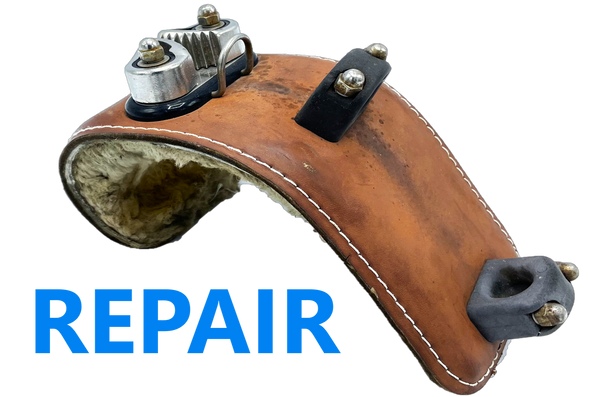
- Re stitching seams that have frayed or split
- Replacing broken or corroded snaps, zippers, and fasteners
- Patching tears or holes in canvas covers
- Replacing clear vinyl windows in enclosures that have yellowed or cracked
- Re foaming cushions that have compressed or become waterlogged
- Replacing upholstery fabric while reusing a still sound cushion base
Repairs are often far more cost effective than full replacement, and a good shop will be honest about when a repair is sufficient and when replacement makes more economic sense.
Preventive Maintenance: Making Your Canvas and Upholstery Last
One of the most important things a boat owner can do is invest in regular maintenance to extend the life of canvas and upholstery. This does not require expensive products or a great deal of time, but it does require consistency.
For canvas:
- Rinse canvas covers and tops with fresh water after every saltwater use
- Allow canvas to dry completely before folding or storing to prevent mildew
- Apply a fabric protectant like 303 Aerospace Protectant or Sunbrella's own cleaning and protecting products at least once or twice per season
- Inspect seams and hardware at the start of each season and address minor issues before they become larger problems
For upholstery:
- Wipe down vinyl surfaces regularly with a mild soap and water solution
- Apply a UV protectant formulated for marine vinyl to prevent cracking and fading
- Keep cockpit areas ventilated to reduce moisture buildup under cushions
- Store removable cushions below deck or in a dry environment during extended periods of non use
Detailed guidance on keeping canvas and upholstery in good condition is available on the Canvas Designers care and maintenance. Following a consistent routine dramatically reduces how often replacement work becomes necessary.
When to Replace Rather Than Repair
There are situations where repair is no longer the practical choice. Indicators that it may be time for replacement include:
- Canvas that has become brittle, heavily faded, or structurally compromised from UV degradation
- Seams that require repeated re stitching in the same areas, indicating the fabric around the stitching has weakened
- Upholstery fabric that is cracking, peeling, or showing mildew staining that cannot be cleaned out
- Foam that has become permanently compressed or waterlogged and no longer provides support
- Enclosure frames that have bent, broken, or corroded to the point of being structurally unsound
Replacing aging canvas and upholstery is also an opportunity to update the look of a boat, choose more durable materials, or correct design issues with existing canvas that never fit or functioned quite right.
Working with a Full Service Provider
The advantage of working with a full service marine canvas and upholstery company is consistency. When one shop handles both your canvas fabrication and your upholstery, they can coordinate color matching, material choices, and scheduling. You avoid the situation of having mismatched fabrics or different shops pointing fingers at each other when something does not fit correctly.
A full service provider typically starts with an assessment of existing canvas and upholstery, discusses your goals and budget, and presents options for materials and design before any work begins. For larger projects, this often involves templating, where the fabricator takes precise measurements and patterns from the boat itself rather than relying on generic dimensions.
To learn more about the full range of services available or to start a conversation about your boat, visit Canvas Designers.
Final Thoughts
Marine canvas and upholstery work is a specialized trade that requires the right materials, proper construction techniques, and an understanding of the conditions a boat operates in. Whether you need a new bimini top, replacement cockpit cushions, a full enclosure for cooler months, or routine repairs to extend the life of what you have, working with an experienced full service provider makes a meaningful difference in the outcome.
Taking care of canvas and upholstery is also an investment in the overall condition and value of your boat. Well maintained fabric and seating protect the boat's structure, improve comfort on the water, and reflect the care you put into the vessel as a whole.
If you are based along the coast or anywhere boating is a serious part of life, getting ahead of canvas and upholstery maintenance is one of the more straightforward ways to protect your boat for the long term.
FAQ
1: What is included in full service marine canvas and upholstery?
Full service marine canvas and upholstery typically includes custom boat covers, bimini tops, cockpit enclosures, seat cushion replacement, marine upholstery repair, foam replacement, and custom fabrication services designed specifically for boats and marine environments.
2: How long does marine canvas and upholstery typically last?
The lifespan depends on material quality, climate, and maintenance. Premium marine fabrics such as Sunbrella can last 8–15 years, while high quality marine vinyl upholstery often lasts 5–10 years or longer with proper care and regular maintenance.
3: Can marine upholstery be repaired instead of replaced?
Yes. Many common issues such as torn seams, worn foam, damaged vinyl, broken zippers, and corroded snaps can often be repaired. A professional marine upholstery shop can assess whether repair or replacement is the more cost effective option.
4: What are the best materials for marine canvas and boat upholstery?
Marine grade materials are essential for durability. Sunbrella fabric is widely used for canvas applications because of its UV and mildew resistance, while marine grade vinyl and specialized marine foam are preferred for seating and upholstery due to their ability to withstand moisture and sun exposure.
5: How do I choose the right marine canvas and upholstery company?
Look for a provider with experience working on your type of vessel, positive customer reviews, high quality marine grade materials, warranties on workmanship, and the ability to handle both canvas and upholstery projects. A full service company can ensure consistent design, fit, and material matching throughout your boat.