


How to Prevent Mold and Mildew on Boat Upholstery
Few things are more disappointing than opening a cabin or lifting a cushion and finding black spots or a musty smell. Boats sit in one of the most mold-friendly environments there is: warm, damp and often closed up for days. For owners in South Florida, where humidity stays high for much of the year, the problem can appear quickly.
This guide explains why mold and mildew grow on boat upholstery, how to reduce the risk through cleaning, drying, ventilation and storage, and what to do when growth has already started. It also covers when damaged seating may be better replaced than cleaned.
Why Mold and Mildew Grow on Boat Upholstery
Mold and mildew are types of fungi. They grow when three things are present: moisture, a food source and a suitable temperature. A boat provides all three easily.
Moisture comes from rain, spray, dew, wet swimwear, condensation and humid air. The food source is rarely the vinyl itself. Instead, fungi feed on dirt, body oils, sunscreen residue, salt film, food crumbs and the organic material that settles on seats. Warm temperatures, common in Palm Beach County for most of the year, speed up growth.
Mildew usually appears as a flat gray, white or light green surface growth, often on the top of vinyl. Mold tends to look fuzzier and can darken or spread into stitching, seams and the foam beneath the cover. Both can cause odors, stains and, for some people, respiratory irritation, so they are worth taking seriously.
Where Growth Starts First
Mold rarely begins in the middle of a clean, dry seat. It tends to start in places that hold water or stay shaded:
- Stitched seams and piping where moisture and dirt collect
- Underneath cushions where air cannot move
- Folds, creases and tufted areas
- Cabin berths and storage lockers
- Seats beneath a closed cover or a tight canvas enclosure
- Areas close to the bilge, hatches and windows
Knowing these hot spots helps you focus inspection where it matters most.
Understand Your Upholstery Materials
Different materials need different care, so start by identifying what your boat uses.
Marine vinyl is the most common covering because it resists water and is easy to wipe down. Quality marine vinyl is often treated with mildew inhibitors and UV stabilizers, but those treatments do not make it immune. Dirt on the surface can still feed mildew, and moisture trapped behind the cover can cause problems from the inside.
Marine fabrics such as solution-dyed acrylic are often used for cushions, covers and canvas. They breathe better than vinyl and dry quickly, but they can still develop mildew if stored damp.
Foam inside cushions is a major factor. Standard open-cell foam absorbs water like a sponge and can stay wet for days. Quick-dry or reticulated foam allows water to drain, which reduces the chance of hidden mold.
Stitching and backing also matter. Thread made from materials that resist UV and rot lasts longer, and a poor backing can trap moisture. When a cover looks fine but a cushion smells musty, the problem is often inside.
Daily and Weekly Habits That Prevent Growth
Prevention is mostly about reducing moisture and removing the dirt that fungi feed on. These habits take little time once they become routine.
Dry Surfaces After Every Outing
After a day on the water, wipe seats with a clean, dry microfiber towel, especially seams and the undersides of cushions. If seats are wet from rain or spray, open them to the air before closing the boat up. Standing water in seat bases or lockers should be drained or sponged out.
Rinse Away Salt
Salt attracts moisture and leaves a film that holds dirt. Rinse upholstery with fresh water after saltwater use, then dry it. Avoid leaving salty cushions in a closed cabin overnight.
Lift and Prop Cushions
Where possible, stand cushions on their edges or prop them so air can move around them. Air circulation under and around cushions makes a major difference, since trapped moisture is what turns a small damp patch into a growth problem.
Clean Regularly Instead of Occasionally
A light cleaning every few weeks prevents buildup, even when seats look fine. Dust, pollen, sunscreen and food residue are all nutrients for mildew. Cleaning before growth begins is far easier than treating it afterward.
How to Clean Boat Upholstery Safely
Use the gentlest method that works, and follow the manufacturer's care instructions for your specific material.
- Brush off loose dirt with a soft brush or vacuum with an upholstery attachment.
- Wet the surface with fresh water.
- Apply a mild soap solution or a marine upholstery cleaner designed for your material.
- Scrub gently with a soft brush, working along seams and creases.
- Rinse thoroughly to remove all cleaner residue, which can attract dirt.
- Dry completely with towels, then allow cushions to air dry in the sun and breeze.
A few cautions apply. Chlorine bleach can weaken stitching, fade colors and damage some vinyl finishes, so many manufacturers advise against using it or recommend only very diluted solutions. Stiff brushes and abrasive pads can scratch vinyl and remove protective coatings, which creates places for dirt and fungi to settle. Pressure washers can force water into seams and foam, so avoid them on upholstery.
Control Humidity Inside the Boat
Even clean upholstery can grow mildew if the cabin air stays damp. Condensation forms when warm humid air meets cooler surfaces, and a boat that is closed tightly in summer can become a humid box.
Improve Ventilation
Use vents, cabin hatches and windows to move air through the boat when conditions allow. Solar-powered vent fans can help circulate air while you are away, since they work without draining the battery. Leave interior locker doors and compartments slightly open when possible.
Use Dehumidifiers and Moisture Absorbers
On boats with shore power, a small marine-rated dehumidifier can keep cabin humidity under control. For boats without power, moisture-absorbing products placed in cabins and lockers can reduce dampness, though they need regular emptying or replacement. Treat them as a supplement to ventilation rather than a substitute.
Fix Leaks Quickly
Slow leaks from hatches, ports, deck fittings and windows are common sources of hidden dampness. A stain on a cushion or a damp patch near a window is a clue. Repairing the leak is essential, because cleaning mold without fixing the source only brings it back.
Choose the Right Cover and Storage Method
How you cover and store the boat can either prevent or promote mold.
Breathable covers allow moisture vapor to escape. Plastic tarps and non-breathable wraps can trap humidity underneath, especially when a boat is closed for long periods. If you use a cover, make sure it is properly fitted, with supports that prevent pooling water and vents that allow airflow.
When you leave the boat for an extended time, take loose cushions home or store them in a dry, ventilated space. Make sure they are clean and completely dry before storing. Avoid stacking damp cushions or sealing them in plastic bags.
Prevention Checklist by Frequency
The table below summarizes a practical routine.
| Maintenance Frequency | Recommended Task | Purpose |
| After Each Outing | Wipe down and dry seats, rinse away salt residue, and drain standing water. | Remove moisture and salt to protect upholstery. |
| After Each Outing | Raise cushions where possible and open ventilation points. | Improve airflow and help damp areas dry faster. |
| Every 2–4 Weeks | Clean upholstery with mild soap or a suitable marine-grade cleaner. | Remove dirt and organic residue that can encourage mildew growth. |
| Monthly | Inspect seams, cushion undersides, and storage lockers for moisture or mildew. | Identify early signs of damage before they spread. |
| Seasonally | Check hatches, ports, and seals for leaks or signs of water intrusion. | Prevent hidden moisture from accumulating inside the boat. |
| Seasonally | Inspect cover fit, ventilation, and cushion storage conditions. | Reduce trapped humidity and improve protection during storage. |
| Annually | Examine foam, stitching, and vinyl surfaces for wear, cracking, or deterioration. | Determine whether repairs, deep cleaning, or replacement are needed. |
What to Do When Mold or Mildew Has Already Appeared
If you find growth, act early. Surface mildew is often manageable, while deep mold is harder to remove.
Treat Light Surface Mildew
For mild cases on vinyl, clean with a marine-safe mildew cleaner or a gentle soap solution, scrub softly and rinse well. Some owners use diluted white vinegar, which can be effective on light mildew, but check the manufacturer's guidance first and rinse thoroughly. Dry the surface fully, then watch for regrowth over the following days.
When cleaning, wear gloves and a mask, and work in a ventilated area to avoid breathing in spores.
Recognize When the Problem Is Deeper
Surface cleaning will not solve mold that has reached the foam or the inside of the cover. Signs of a deeper problem include:
- A musty smell that returns after cleaning
- Dark spots showing through the vinyl or in the stitching
- Foam that feels damp, crumbly or stained
- Mildew that returns repeatedly in the same area
- Seams that have split and let in water
Foam that has been saturated and contaminated is difficult to clean completely. In these situations, replacing the foam and cover may be more practical than repeated cleaning.
When Replacement or Reupholstery Makes Sense
Upholstery has a limited lifespan, particularly in strong sun and humid air. If the covering is cracked, the stitching is failing or the foam holds water, the structure itself may be encouraging mold. Repair patches rarely fix the cause.
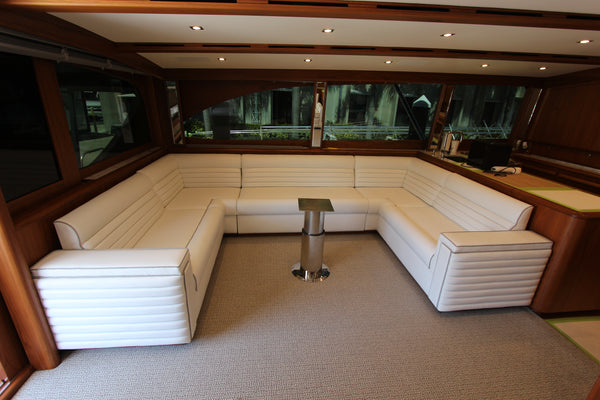
A professional upholstery shop can inspect the condition and suggest options such as quick-dry foam, mildew-resistant marine vinyl, improved drainage and stronger thread. Local boat owners considering this can look at custom boat upholstery in West Palm Beach to understand how custom work is approached. A custom job can also be designed to match your boat's layout, which allows for better ventilation behind seat bases and fewer places for water to collect.
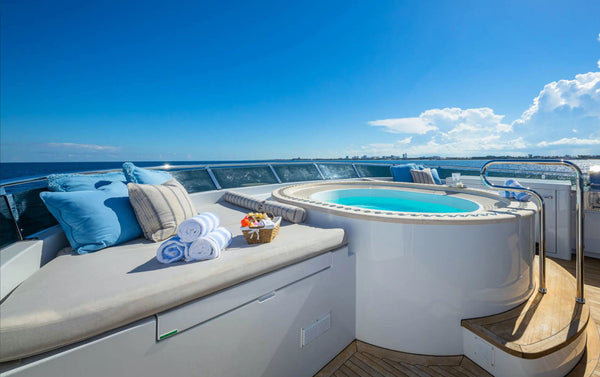
Seating that stays outdoors faces the harshest conditions. Helm seats, bow seating, cockpit benches and other open areas take direct sun, rain and salt spray, so they benefit from materials and construction suited to the exposure. More information about exterior upholstery options can help you decide which materials suit these areas.
Design Choices That Reduce Mold Risk
If you are replacing seating or planning a refit, a few design details lower the odds of future problems:
- Quick-dry foam that drains rather than absorbs water
- Vented seat bases or drain holes to prevent pooled moisture
- Marine-grade vinyl with mildew resistance and UV protection
- Fewer deep seams or tufted areas that collect dirt
- Covers that can be removed for cleaning and drying
- Rot-resistant thread to keep seams watertight over time
A shop that works with marine materials can explain which of these options suit your boat and how you use it. Canvas Designers is one local business that handles marine upholstery and canvas work, and its site describes the services it offers.
Prevention for South Florida Conditions
South Florida creates a particular set of challenges. High humidity persists through the year, summer storms bring sudden rain, and warm temperatures give mold a long growing season. Boats kept in water or on lifts see constant moisture exposure.
Some practical local points:
- Check the boat after heavy rain, especially if hatches or windows were open or leaking
- Run a dehumidifier or ventilation during the wet season if shore power is available
- Be aware that boats left unused for several weeks, such as during summer travel, are especially vulnerable
- Inspect upholstery before and after hurricane season preparations, since cushions are often stored in closed spaces
A short inspection routine, even when the boat is not being used, prevents the kind of quiet growth that goes unnoticed for weeks.
Common Mistakes to Avoid
- Storing cushions damp or in sealed plastic bags
- Covering the boat with a non-breathable material for long periods
- Using harsh chemicals or abrasive tools on vinyl
- Ignoring musty odors until stains appear
- Cleaning mold without fixing the leak or moisture source
- Skipping a rinse after saltwater use
- Leaving soaked cushions in a closed cabin
Frequently Asked Questions
What causes mildew on boat seats?
Mildew grows when moisture, warmth and organic material such as dirt, oils or sunscreen residue are present together. Salt film and poor airflow make it more likely, particularly in humid climates.
Can I use bleach to remove mold from boat vinyl?
Bleach can damage stitching, fade fabric and harm some vinyl finishes. Many manufacturers recommend gentler marine cleaners or a mild soap solution. Check the care instructions for your upholstery before using any chemical.
How often should I clean boat upholstery?
A quick wipe and dry after each outing and a fuller cleaning every two to four weeks works well for most boats. Increase the frequency in humid weather or when the boat is used heavily.
Why does my boat smell musty even when the seats look clean?
The odor often comes from damp foam, a leak, trapped humidity in a cabin or mildew in places you cannot easily see, such as under cushions or inside seat bases. Inspect these areas and improve ventilation.
Is mold on a boat dangerous?
Mold can cause allergy symptoms or respiratory irritation in some people, particularly those with asthma or sensitivities. Wear protective gear when cleaning, and consult a medical professional if you have health concerns.
Does marine vinyl prevent mildew by itself?
Marine vinyl is made to resist moisture and often contains mildew inhibitors, but it still needs cleaning and drying. Dirt on the surface and moisture trapped below it can still lead to growth.
When should I replace boat upholstery instead of cleaning it?
Consider replacement when foam is saturated, mold has spread beneath the cover, seams are failing or odors return after proper cleaning. A professional inspection can help you decide, and you can contact Canvas Designers to ask about your options.
Final Thoughts
Preventing mold and mildew on boat upholstery comes down to controlling moisture, keeping surfaces clean and giving air a way to move. Dry seats after use, rinse away salt, clean on a regular schedule, ventilate the cabin and store cushions properly. When foam or covers are beyond saving, replacing them with materials suited to a marine environment protects both comfort and the value of the boat. For owners planning an upgrade, a closer look at boat upholstery options in West Palm Beach can help you plan the next step.