


How to Protect Your Boat From Sun and Weather Damage
A boat lives outdoors, so it is exposed to sunlight, rain, humidity, salt and wind for most of its life. The damage seldom arrives all at once. It builds up as faded upholstery, chalky gelcoat, cloudy clear windows, mildew in cushions and seams that slowly open. Learning how to protect your boat from sun and weather damage lets you prevent most of these problems instead of paying to fix them.
This guide explains how each element harms a boat, which habits reduce the risk, and how covers, shade and ventilation fit into a practical routine. The advice mirrors what boat owners commonly ask a marine canvas shop in Riviera Beach, Florida, where Canvas Designers has worked with boaters since 1985.
How sun and weather damage a boat
Ultraviolet radiation
UV light is the most persistent threat. It fades gelcoat and paint, leaves a chalky film on surfaces, makes vinyl stiff and prone to cracking, and weakens the thread that holds canvas together. Clear vinyl windows can turn yellow or hazy. Because the damage accumulates slowly, it is easy to underestimate until a seat or window needs replacing.
Moisture, humidity and mildew
Rain and humidity become a problem when they linger. Damp cushions, carpet, bedding and headliners create ideal conditions for mildew, which causes odors, stains and fabric breakdown. Boats that are closed up with no airflow are especially at risk, because moisture has nowhere to escape.
Salt and airborne contaminants
Salt crystals dry on surfaces and work into fabric, zippers, snaps and hardware. They speed up corrosion and make fabric and stitching more abrasive. Pollen, dust and bird droppings add to the load, and some droppings are acidic enough to mark finishes if left in place.
Wind, storms and temperature swings
Wind makes loose covers flap, which chafes both the cover and the boat. Strong storms can tear covers, damage enclosures and throw unsecured items around. Repeated heating and cooling also stresses materials, hardening vinyl and loosening seams.
Sun and weather threats at a glance
| Threat | Areas Affected | Early Warning Signs | Prevention Measures |
| UV Radiation | Gelcoat, vinyl upholstery, canvas, stitching, and clear vinyl windows. | Faded colors, chalky surfaces, cracks, and brittle stitching. | Use protective covers and shade, apply suitable UV protectants, and wax surfaces regularly. |
| Moisture and Humidity | Cushions, carpets, headliners, bedding, and storage lockers. | Musty odors, dark spots, and damp cushion foam. | Maintain proper ventilation, dry damp areas thoroughly, use breathable covers, and add moisture absorbers where appropriate. |
| Salt Exposure | Metal hardware, canvas, zippers, and stitched seams. | Salt deposits, stiff zippers, and signs of corrosion. | Rinse exposed surfaces and hardware with fresh water after each outing. |
| Wind | Protective covers, canvas tops, and boat enclosures. | Flapping fabric, abrasion marks, and loose fasteners. | Install well-fitted covers, secure tie-downs properly, and remove vulnerable canvas before severe storms when safe to do so. |
| Heavy Rain | Boat covers, cockpit areas, and bilges. | Standing water, sagging covers, and moisture accumulation. | Use support poles, maintain clear drainage paths, and ensure covers fit securely to prevent water pooling. |
Protect the exterior surfaces
Hull and deck surfaces respond well to routine care. Rinse the boat with fresh water after each outing, particularly in salt water, and wash it with a boat-safe soap when dirt builds up. Waxing or applying a UV protectant to gelcoat at the start of a season creates a barrier that slows fading and makes later cleaning easier. Metal fittings benefit from a rinse and an occasional check for corrosion.
Inspect the boat regularly as well. Small chips, open caulk lines and loose fasteners let water in, and water causes far bigger problems once it reaches foam, wood or electrical components. Catching these early costs much less than repairing what they cause.
Protect upholstery, canvas and clear vinyl
Upholstery and canvas are among the first things the sun affects. A few habits make a large difference:
- Clean regularly. Salt and dirt hold moisture against fabric and speed up wear.
- Use the right tools. A hose and a soft bristle brush are gentler on canvas than machine washing, and fabric should dry completely before it is folded or stored.
- Treat vinyl with care. Use cleaners and protectants made for marine vinyl, and avoid harsh solvents that dry the surface.
- Handle clear vinyl gently. Dry wiping scratches it, so rinse first and use a soft cloth with a cleaner designed for the material.
- Shade seating when the boat is idle. Covered cushions fade and crack far more slowly than exposed ones.
For material-specific guidance, Canvas Designers publishes cleaning and care guidance for boat canvas that is worth keeping nearby.
Use covers and shade the right way
A properly fitted cover is one of the most effective protections available, because it blocks UV, rain, dirt and bird droppings at the same time. Different covers suit different situations:
- Full boat covers protect the whole boat during storage or long periods of inactivity.
- Day covers shield the cockpit and seating from sun and light rain between outings.
- Console and helm covers protect electronics, steering equipment and windshields.
Fit matters as much as fabric. A loose cover flaps in the wind and wears at contact points, while one that is too tight strains its seams. Water can pool on flat areas and add weight, so support poles or a shaped design that sheds water help prevent sagging. Covers also need airflow, because a sealed cover on a damp boat can trap moisture and encourage mildew. If you are comparing options, you can browse fitted boat covers to see the range of styles.
Shade is useful while the boat is in use, too. Bimini tops, shade sails and pole-based shade systems reduce UV exposure for passengers and seating, and they keep surfaces cooler.
Control moisture inside the boat
Many owners focus on the exterior and overlook the cabin. Upholstery, bedding, carpeting and headliners are common places for mildew, particularly in humid climates and during storage.
- Open hatches or vents when conditions allow, so air can move through the cabin.
- Dry cushions, towels and wet gear before they are put away.
- Use moisture absorbers or a dehumidifier in enclosed spaces when appropriate.
- Stand cushions on their edges during long storage periods so air can circulate around them.
- Check lockers and under-seat areas for damp spots.
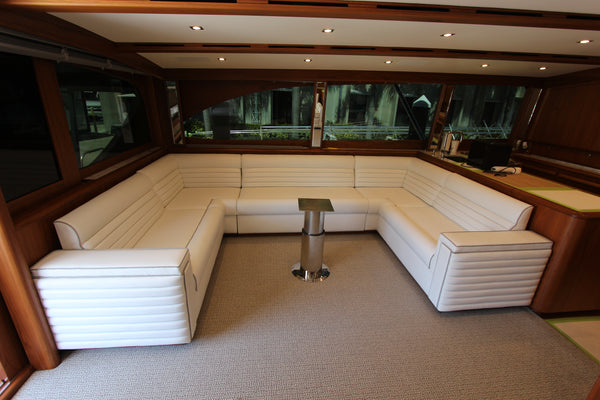
If cabin fabrics have already deteriorated, it helps to understand what interior upholstery for boat cabins can include when you plan a replacement or refresh.
Prepare for storms and seasonal changes
Severe weather calls for planning well in advance. In storm-prone regions, including Florida, owners should follow marina and local authority guidance and prepare before a storm approaches. Canvas tops, bimini frames, clear enclosures, cushions and loose gear are usually removed and stored securely, since they can tear, break or become projectiles in strong wind. Covers that cannot be removed should be secured according to their design and the manufacturer's recommendations.
Seasonal changes call for different steps. At the start of a season, inspect covers, zippers, snaps and seams, and repair small problems before they spread. At the end of a season, wash and dry everything thoroughly before storage, because trapped moisture and salt cause damage over the months a boat sits idle.
A simple seasonal checklist
- Rinse the boat with fresh water after each outing.
- Wash and wax, or apply a UV protectant, before the main season begins.
- Clean upholstery, canvas and clear vinyl according to the material.
- Check covers for chafe, loose seams and failing zippers.
- Make sure cushions and interior fabrics are fully dry before storage.
- Store removable canvas and cushions when a major storm is forecast.
- Review hardware, fasteners and caulk at least once a year.
Frequently asked questions
How can I protect my boat from the sun?
Combine several measures: cover the boat when it is idle, apply a UV protectant to gelcoat and vinyl, use shade while underway or at anchor, and clean surfaces regularly. No single step is enough on its own.
Does a boat cover cause mildew?
A cover can contribute to mildew if it traps moisture on a damp boat, especially when airflow is poor. Making sure the boat is dry before covering it, and choosing a cover with proper ventilation, lowers the risk.
How often should I clean my boat upholstery?
Rinse after each outing in salt water and clean more thoroughly whenever dirt, sunscreen or stains build up. Regular cleaning keeps salt and grime from wearing down fabric and stitching.
Can I leave canvas and cushions on the boat during a storm?
In general, removable canvas, enclosures and cushions are best taken off and stored securely before severe weather. Follow your marina's instructions and local guidance, and ask the cover or canvas manufacturer if you are unsure.
What are the first signs of UV damage on a boat?
Fading color, a chalky finish, stiff or cracking vinyl, hazy clear windows and brittle stitching are the most common early signs.
Plan protection that suits your boat
The right mix of covers, shade and care depends on the boat, the climate and how it is stored. If you would like to talk through options, you can request a custom boat cover or upholstery quote from Canvas Designers with details about your boat and how you use it.